Key Takeaways:
- Buy now, pay later is borrowing, even when the offer has no interest.
- Check the total price and every repayment date before accepting.
- Add installments from all providers to the same bill calendar.
- Understand automatic payments and returns rather than assuming a refund ends the loan immediately.
A small checkout payment can make a purchase look easier to afford than it is. The useful test is whether every installment fits alongside essentials and existing debts, not whether the first payment fits today’s balance.
Read the actual loan offer
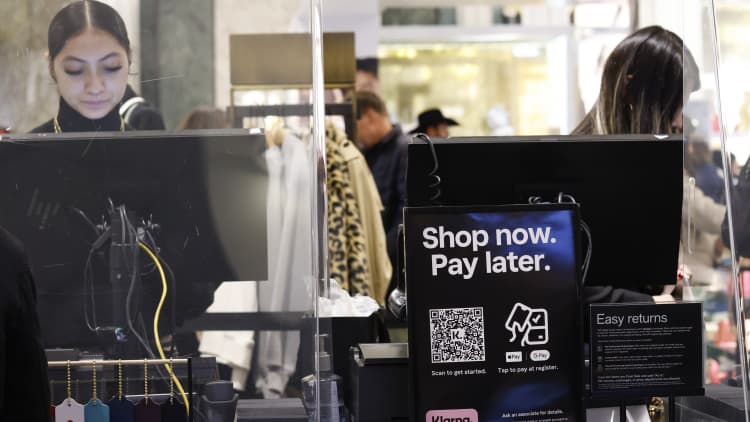
The CFPB describes buy-now-pay-later products as installment loans and notes that terms differ. Some common offers split a purchase into four interest-free payments, but longer plans can work differently. Read the particular agreement before applying and again before accepting.
Write down the cash price, down payment, financed amount, interest, fees and repayment total. Check late-payment charges and how the provider handles credit inquiries or reporting. Do not assume every product is interest-free or that every payment builds a credit score.
Put dates beside the amounts
Create one calendar that includes all existing installment plans, regardless of provider. Add rent or mortgage payments, utilities, groceries, transport and other essential bills. Compare the calendar with expected income dates rather than the month’s income total alone.
Fictional example: a $240 purchase is divided into four $60 payments with no interest or fees. The first $60 is due now, followed by three payments two weeks apart. If another plan has a $45 installment on one of those dates, $105 is due that day before the household’s other bills. A provider’s approval does not make that timing affordable.
These are invented terms, not a description of every lender. Use the exact offer in front of you. If a later payment relies on uncertain income or another loan, consider reducing or postponing the purchase before accepting the plan.
Check automatic-payment consequences
NYC’s consumer-protection department warns that many services default to automatic payments. Check the linked payment method, withdrawal dates and the provider’s instructions for changes. A withdrawal can conflict with another bill or contribute to an overdraft if funds are insufficient.
Set reminders and check pending transactions. Changing an automatic-payment instruction does not erase the debt. If a payment may be missed, contact the provider through its official channel promptly and ask about available options, costs and written confirmation.
Understand returns before there is a problem
NYC also recommends checking how returns, exchanges and refunds work for the specific loan. Ask whether the merchant and lender require separate steps, how a refund is applied and how to confirm the revised balance and schedule.
Keep order details, return tracking and messages from both parties. Do not assume sending back an item instantly changes an upcoming installment. Follow the applicable process and request clarification if the account still shows money due.
Compare the purchase with waiting
Ask whether you would buy the same item at the full price today. Consider saving for it, choosing a lower-cost option or using a payment method whose total costs and conditions you understand. Keep the decision about the purchase separate from the appeal of the checkout offer.
Next step: record every payment amount and date on the household bill calendar before accepting a new plan.
Official sources
- CFPB: BNPL loan types, fees and credit considerations
- NYC DCWP: Repayment, autopay and returns
- FTC Consumer.gov: Budgeting for bills and expenses
Related reading
- How to Make a Budget That Works Between Paydays
- Make a Credit-Card Debt Payoff Plan You Can Maintain